Community Life Project

Uncategorized

Uncategorized

Empowering Communities: Strengthening the HIV/AIDS Response in Lagos State

Empowering Communities: Strengthening the HIV/AIDS Response in Lagos State In the fight against HIV/AIDS, strong leadership and grassroots action make all the difference. Under the visionary guidance of the then Minister of Health, Prof. Olikoye Ransome-Kuti, the Community Life Project (CLP) played a key role in establishing the Lagos State AIDS Control Agency (LSACA). At the Minister’s request, CLP drafted a comprehensive proposal for tackling HIV/AIDS at the grassroots level. Once LSACA was up and running, CLP worked hand-in-hand with them to train Medical Officers of Health (MoHs) across the state, leading to the creation of Local Action Committees on AIDS (LACAs) in all 20 local government areas. Education was another crucial focus. In 2000, CLP partnered with the New Era Foundation—founded by Lagos State First Lady Mrs. Oluremi Tinubu—to train 535 teachers and 966 peer educators, ensuring that schools became active participants in HIV/AIDS prevention. Building the Capacity of Healthcare Professionals Since 1994, CLP has been equipping healthcare workers with the knowledge and skills needed to tackle HIV/AIDS. Beginning with senior health practitioners at Isolo General Hospital, CLP expanded its reach to include all hospital staff—medical and non-medical alike. One of the program’s significant achievements was helping prevent mother-to-child transmission by providing education and counseling services in antenatal clinics. Integrating HIV/AIDS Prevention into Primary Healthcare CLP’s commitment to sustainable healthcare solutions led to a partnership with the Medical Officer of Health (MOH) in Oshodi-Isolo. From 1997 to 2002, CLP trained 144 healthcare workers across 11 primary health centers, making Oshodi-Isolo the first local government in Lagos State—and possibly in Nigeria—to integrate HIV/AIDS prevention into its existing health services. Bringing HIV/AIDS Awareness to the Community Recognizing the power of grassroots mobilization, CLP collaborated with the National Automobile Technicians Association (NATA) in Okota, launching the first HIV/AIDS awareness session in 1992. Through posters, car stickers, and continuous education, CLP ensured that essential health information reached auto technicians and their communities. One community leader, Engr. Joy Omiyale of NATA, recalls how CLP’s work transformed his understanding of health and civic engagement, ultimately shaping his role as a leader in Oshodi-Isolo. Empowering Beauty Professionals as Health Advocates Hairdressers and barbers interact with countless customers daily, making them vital partners in public health education. CLP launched an initiative to educate salon professionals about HIV/AIDS prevention, which later evolved into a formal collaboration with the Hairdressing Proprietors’ Association. Beyond health education, CLP also provided training on self-esteem and civic engagement. Mrs. Mary Matanmi of the Nigerian Association of Hairdressers and Cosmetologists shares how CLP’s guidance improved her life and strengthened her family’s well-being. Creating New Paths for Commercial Sex Workers Between 1994 and 2006, CLP worked closely with sex workers in eleven brothels, providing HIV/AIDS education, preventive measures, and alternative livelihood skills. Over a dozen women received financial and material support to transition into new careers, offering them a fresh start in Lagos and Benin. Educating and Empowering Youth CLP understands that the youth are the future of HIV/AIDS prevention. Since 1994, school-based programs have reached 70,966 students across sixty schools, with peer educators leading awareness campaigns among their peers. Beyond classrooms, CLP also engaged out-of-school youth through grassroots football clubs, offering HIV/AIDS education, life skills training, and leadership development. Between 1993 and 2005, 7,150 young people benefited from these initiatives. Partnering with Faith-Based Organizations Faith communities play a vital role in shaping societal values, so CLP partnered with Christian denominations and mosques between 1994 and 1998 to spread awareness and reduce stigma. By training religious leaders, CLP ensured that faith-based institutions became safe spaces for care and support. In addition to HIV/AIDS awareness, CLP also tackled critical social issues such as domestic violence, gender equality, STDs, drug abuse, and juvenile delinquency, reaching over 23,000 people. A Lasting Impact Through partnerships, education, and grassroots action, CLP has left an enduring mark on Lagos State’s fight against HIV/AIDS. By empowering healthcare workers, community leaders, educators, and everyday citizens, CLP has proven that change starts with knowledge—and knowledge saves lives. This revised version emphasizes the agency of the people involved, showcases the pioneering nature of the work, integrates the efforts into the primary health services of Lagos State, reflects the impact numbers, and demonstrates the overall impact of the work within a word count close to 1000 words. Let me know if there’s anything else you need!
Uncategorized

Empowering Communities: How CLP is Transforming Governance and Development from the Ground Up

Empowering Communities: How CLP is Transforming Governance and Development from the Ground Up Bringing Communities into Governance and Budgeting For too long, grassroots communities have been left out of important governance decisions. Since 2012, the Community Life Project (CLP) has been changing that by helping local leaders and citizens actively participate in governance and budgeting. By making the budgeting process clear and accessible, CLP has trained grassroots leaders to analyze budgets, identify pressing community needs, and engage the government to address them. This initiative began as a pilot project in Ekiti State and has now expanded to 46 local governments across Ekiti, Lagos, and Osun States. Between 2012 and 2014, CLP’s participatory budgeting program in Ekiti led to the execution of 177 community-driven projects worth N600 million ($4.1 million at the time) in 170 communities. From 2016 to 2020, CLP continued this work by training government officials—including budget officers, finance directors, and community development officers—alongside grassroots leaders, women, and youth leaders. Town Hall meetings were held where both community members and officials came together to prioritize local needs for inclusion in government budgets. As a result, in 2019 alone, 272 out of 496 community-submitted needs were successfully included in the local government budgets of Ekiti, Lagos, and Osun States. This initiative has also promoted social inclusion, ensuring that historically excluded groups have a voice. For example, in some Muslim communities in Osun State, women were traditionally not encouraged to speak in public. However, thanks to CLP’s training and awareness programs, women are now stepping up and actively participating in governance decisions. “Indeed, I can beat my chest for what CLP has achieved here so far.” – Mr. Pius Adenuga, Head of Community Development Department, Ife North LGA, Osun. Planning from the Ground Up: Community-Led Development CLP believes that effective national and state development plans should start at the grassroots level. Recognizing the decline of structured development planning in Nigeria, CLP has been working with local communities and governments in Ekiti and Osun States to create structured 3-year Community Development Plans (CDPs). Between 2017 and 2019, while implementing social accountability projects in 46 local governments, CLP piloted a new initiative in Ikole LGA, Ekiti State. Working alongside community members, CLP helped create a detailed development plan for the local government’s 25 autonomous communities. The Ekiti State Government has since been implementing projects based on this plan, ensuring that resources are allocated to the real needs of the people rather than to wasteful or duplicate projects. This model has now been expanded to 16 local governments in Ekiti and Osun States, where trained teams of community leaders and government officials conducted needs assessments in 278 communities. The resulting Community Development Plans were launched in December 2021 and were subsequently used to shape the 2022 local government budgets in these states. “CLP’s model of community engagement is the antidote against misplaced priorities because it is based on the actual needs of the community, not perceived needs.” – Mr. Isaac Olusola, Secretary, Bureau of Rural and Community Development, Ekiti. Holding Contractors Accountable for Better Schools One of CLP’s most impactful initiatives has been empowering grassroots communities to monitor school construction projects and ensure they meet proper standards. Between 2017 and 2020, CLP supported communities in monitoring school projects worth nearly N680 million ($1.89 million at the time) in three local governments in Kaduna State (Ikara, Kaduna South, and Sanga). Working alongside the Local Government Education Authorities (LGEA), CLP trained 24 community leaders as volunteers who then collaborated with local officials to track project implementation. In addition, 687 community leaders, including traditional and religious leaders, participated in Town Hall meetings to discuss school needs and project progress. CLP also trained 1,756 School-Based Management Committee (SBMC) members on their rights and responsibilities, advocacy strategies, and how to ensure government accountability in school funding. These efforts have strengthened citizen oversight, ensuring that public funds allocated to education projects are used effectively and that students and teachers receive the resources they need. “CLP has really done well. They have impacted our communities in very significant ways. I have been empowered to hold our leaders accountable and educate our people to do the same.” – Hajia Bilhatu Idris, Federation of Muslim Women’s Associations in Nigeria (FOMWAN), Kaduna. “We have learned about our role in the School-Based Management Committee. We now know how to conduct Town Hall meetings, take care of pupils and teachers, and bring back children who dropped out of school.” – Garba Mamman, Chairman, SBMC, Ikara Central Primary School, Kaduna. Building a Future Where Every Voice Counts Through participatory budgeting, bottom-up development planning, and community monitoring, CLP has empowered thousands of grassroots leaders to take charge of their communities’ futures. From securing funding for essential projects to ensuring accountability in government spending, CLP’s initiatives are driving real change across Nigeria. By giving people the tools and knowledge to engage with governance, CLP is not just transforming individual communities—it is reshaping the way development is done, ensuring that local voices lead the way in building a better Nigeria.

Uncategorized

Advancing Electoral Integrity Through Citizen Agency and Inclusive Participation

Advancing Electoral Integrity Through Citizen Agency and Inclusive Participation Elections are the cornerstone of democracy, shaping governance and ensuring that citizens have a voice in leadership and policy direction. However, for elections to be truly democratic, they must be transparent, credible, and inclusive. In Nigeria, past electoral cycles were marred by irregularities, disenfranchisement, and exclusion, eroding public confidence in the process. Recognizing the urgent need for reform, Community Life Project (CLP) made a strategic decision in 2010 to intervene in the electoral process by promoting citizen agency, pioneering innovative approaches to election monitoring, and advocating for an inclusive electoral system. Through its vast grassroots network, CLP championed initiatives that empowered ordinary citizens to actively participate in election day management, report incidents in real time, and demand accountability from the electoral body, the Independent National Electoral Commission (INEC). CLP’s efforts, particularly through the ReclaimNaija platform, played a transformative role in strengthening electoral integrity, amplifying the voices of historically marginalized groups, and institutionalizing practices that have now become the norm in Nigeria’s elections. Pioneering Grassroots-Led Electoral Observation in 2011 CLP’s intervention in the 2011 General Elections was a landmark moment in citizen-driven electoral participation. Frustrated by systemic electoral malpractices that undermined Nigeria’s democracy, CLP recognized that empowering grassroots citizens was key to holding the electoral process accountable. Thus, the organization established a three-pronged strategy to influence the elections positively: These interventions positioned CLP as the de facto Election Situation Room for the 2011 elections, enabling it to collect and analyze real-time election incident reports from across the country. However, to make a meaningful impact, CLP understood that scale and reach were crucial. Thus, CLP trained 532 grassroots community leaders, executives of motorcycle riders’ associations, and community development officers as civic educators. These civic educators went on to conduct voter education in 193 Local Government Areas (LGAs) across all 36 states and the Federal Capital Territory (FCT), reaching 23,972 grassroots leaders. The motorcycle riders’ association, leveraging its nationwide presence, further amplified the message through “No Siddon Look” voter education street campaigns in 22 cities across six states. In addition to in-person engagements, CLP deployed a multi-channel media strategy to reach broader audiences. Radio jingles in Nigeria’s four major languages were aired 235 times, accompanied by eight weekly interactive radio programs, 26 adverts in soft-sell publications, and six major newspaper adverts. These efforts were designed to encourage voter turnout and empower citizens to escalate election incidents through the Ushahidi platform, which later became a critical tool for improving election management. A study by Bailard and Livingston (2014) of George Washington University found that the Ushahidi platform, as deployed by CLP, significantly contributed to increased voter turnout in the 2011 presidential election. By equipping citizens with a platform to report irregularities and ensuring INEC responded to real-time issues, CLP established citizen-led electoral monitoring as a norm in Nigeria’s democracy. Institutionalizing Citizen Participation in Election Day Management Beyond election observation, CLP worked to embed citizen participation in election day management as a formal practice. During the voter registration exercise, ReclaimNaija’s grassroots network collected and sent 12,000 incident reports to INEC, highlighting logistical challenges, errors, and other concerns. These real-time reports prompted INEC to extend the registration period by one week nationwide and an additional two days in Lagos, ensuring that more citizens could register to vote. On election day, CLP’s ReclaimNaija platform received 27,178 incident reports from citizens across the country, which were then escalated to INEC for troubleshooting. These reports were also mapped on the Ushahidi platform, providing a visual representation of election challenges across Nigeria. INEC, recognizing the effectiveness of this system, officially adopted the ReclaimNaija Election Situation Room, reinforcing the legitimacy and necessity of citizen-led election monitoring. This work led to fundamental shifts in Nigeria’s electoral process: Driving Electoral Accountability Through Post-Election Review Conferences Recognizing the importance of institutional learning, CLP pioneered Nigeria’s first-ever post-election review conference in May 2011, bringing together INEC, the National Youth Service Corps (NYSC), Civil Defence, security agencies, political parties, civil society organizations, the media, and grassroots leaders. The conference, attended by 201 participants, was a proactive effort to evaluate the 2011 elections and set the agenda for future electoral improvements. One of the major recommendations from this gathering was the adoption of electronic voting and result transmission, an idea that was initially unpopular but later became a national priority. While it took Nigeria 11 years to implement electronic voting, this early advocacy was instrumental in laying the groundwork for electoral reforms. Following CLP’s initiative, post-election review conferences became a standard practice for INEC and other stakeholders, reinforcing accountability and continuous improvement in election management. Sustaining Citizen Mobilization and Electoral Integrity in 2015 Building on the success of 2011, CLP deepened its electoral engagement during the 2015 General Elections, ensuring that citizens remained at the forefront of the process. Through ReclaimNaija, CLP: A major highlight of CLP’s 2015 intervention was its work with the Christian Council of Nigeria (CCN). Church leaders from across the country were trained on civic engagement and voter education, leading to the deployment of 4,020 election observers through ReclaimNaija. As a direct result of this intervention, both CCN and the Christian Association of Nigeria (CAN) gained formal accreditation from INEC as election observers, ensuring that faith-based organizations could play an active role in Nigeria’s democratic process. Promoting Interfaith Collaboration and Peacebuilding in 2019 Ahead of the 2019 elections, rising ethno-religious tensions posed a significant threat to Nigeria’s democracy. In response, CLP led a major advocacy and peacebuilding initiative, convening a high-level dialogue between Christian and Muslim religious leaders, including bishops and representatives of the Supreme Council for Islamic Affairs. Through this initiative, 7,203 Christian and Muslim leaders were trained across all 36 states and the FCT, with each leader returning to educate their congregations. CLP also distributed over 200,000 fliers and received 29,934 election incident reports from 13,692 polling units, forwarding them to INEC for immediate action. This work was instrumental in reducing tensions, promoting peaceful participation, and reinforcing the role of faith

Uncategorized

IWD 2024: CLP Hosts Dialogues in Enugu & Imo, Urging Men To Invest In Women & Girl-Child

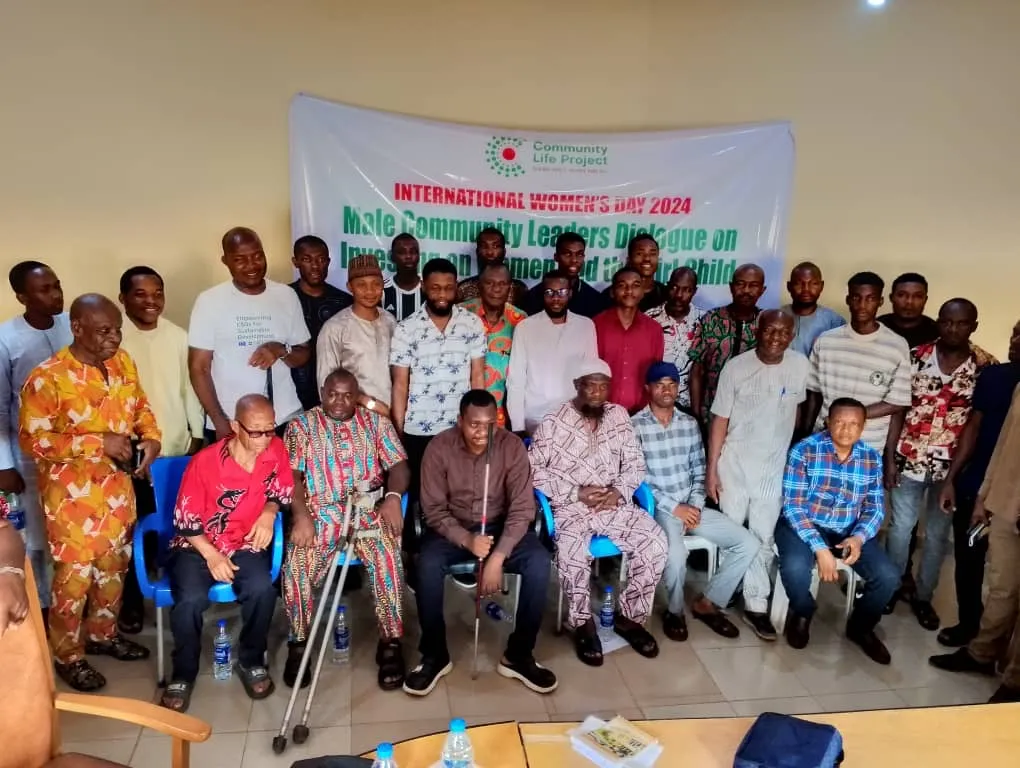
To commemorate International Women’s Day (IWD), CLP invites men to dialogues on importance of investing in women and girl-child in Enugu and Imo States In the Southeast region of Nigeria, particularly in states like Imo and Enugu, women face systemic undervaluation, marginalization, and gender-based violence due to entrenched cultural norms and societal expectations, limiting their access to education, economic opportunities, and decision-making positions. Traditional beliefs and patriarchal structures perpetuate disparities in inheritance rights, employment, and political representation, exacerbating their undervaluation. Pervasive stereotypes and biases further constrain women’s potential for socio-economic advancement, hindering the region’s development. The participants in the dialogue on the importance of investing in women and girl-child in Enugu State In an effort to address these problems, prevent gender-based violence (GBV), and uphold the dignity of womanhood in Southeast Nigeria, the Community Life Project, with the support of the Ford Foundation, invited male community leaders in Enugu and Imo to hold dialogues on International Women’s Day to discuss the benefits of investing in women and the girl-child in families and communities. The discussions covered what families stand to gain by investing in women, the challenges, and the factors preventing families and communities from investing in women and the girl-child, as well as solutions to these challenges. Community Leaders in the workshop to discuss the importance of investing in women and girl-child in Imo State The dialogues with the theme ‘Workshop on Investing in Women to mark International Women’s Day (IWD) 2024’ took place on March 8 in the Imo and Enugu States. Why CLP Invited Men to Discuss Women’s Issues on International Women’s Day (IWD) Ngozi Iwere, the Executive Director of Community Life Project, said that men are powerful influencers in families and communities and they have a critical role to play in accelerating the changing of cultural practices and norms that undervalue women and girls-child.  She noted that men hold the key to unlocking new gender norms at the community level that will enhance the status of the girl-child and prevent women from becoming less vulnerable to gender-based violence, poverty, and other consequences of inequality. She added that men were invited because one of the root causes of gender inequality and gender-based violence lies in the belief of the preference of the male child over the female child, and it is a sensitive cultural issue. She explained that CLP believes men are influencers and enforcers of norms and cultural practices and they are in the best position to address it. “This initiative was carried out purposely to prevent GBV, deeply entrenched in patriarchal values, norms, and practices especially son preference over girl-child and the poor status of women and the girl child which contribute significantly to making women and girls vulnerable to GBV. So we wanted to address this by getting communities to uphold the dignity of womanhood. “There is also a pervasive belief that women are inherently inferior to men, and that their primary life purpose is to get married and take care of the domestic life of the family. They are often seen as property of the man. This not only makes them vulnerable to GBV but also makes it difficult for them to receive the needed support from their families and communities. So promoting appreciation for and enhancing the dignity of womanhood will help solve this problem,” she explained. She further noted that it is important to mark grassroots action on IWD, stating that CLP is committed to inclusion to ensure that people at the grassroots have platforms and opportunities to participate in sub-national, national, and global event initiatives. She summed up that IWD is one of such opportunities to carry the people at the grassroots along. She said: “We wanted men, especially those who are community leaders and influencers, to dialogue on how to change the mindset at the community level and change both the narrative and enhance the status of women and the girl within families and communities. We believe that men are better positioned to champion this cause.” Chinedu Eze, a facilitator in Imo State, expressed his joy over participating in dialogues that talk about the significance of investing in women and the girl-child, adding that men need to harness the potentials in women for national growth and development. He stated: “It is high time we allow women to hold key leadership positions, most especially at this trying time of the nation Nigeria. Women are created by nature as perfect managers. So, investing in women and girls will have a positive impact on our families and communities.” She further noted that the solutions provided in the dialogues will be used in creating awareness among their circle of friends and groups that they belong to on the need to invest in women and the girl-child in the families and communities. He, however, advised men in the South-east to give women a chance to take leadership positions because they could be the key solutions looking for to solve the challenges this nation is currently facing. The participants from Enugu State brainstorming on the solutions to the challenges of investing in women and girl-child Achime Chijioke, one of the participants from Enugu State, also expressed his delight over the event, stating that a well-nurtured woman and girl-child are an asset to society and she will, in turn, train good children that will better the community and family. She added that the advantages of investing in women are numerous but top of the list is gaining a good and productive society, family and people in general, saying that the family is the smallest unit of the society and once the family is good as a result of a good mother that nurtures and grooms them, the society will automatically be ok. The participants from Imo State brainstorming on the solutions to the challenges of investing in women and girl-child “Creating grassroots awareness on the very need to invest in women and the girl-child in general. Educating parents especially the unenlightened ones on the need

Uncategorized

CLP Organises Training On Tracking Constituency Projects For Community Leaders

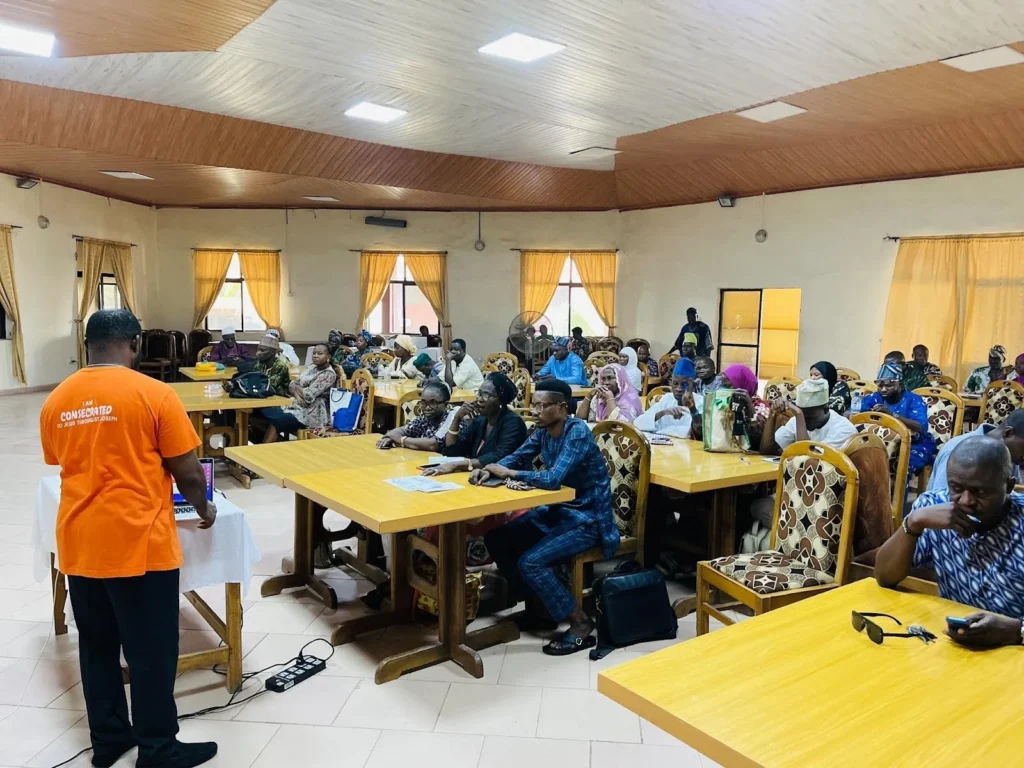
Community Life Project (CLP) provided digital training to grassroots community leaders in Ekiti and Osun states to enable them track and monitor Constituency Projects in their communities. The training took place on February 29, at Pope John Paul II Pastoral Centre Ado-Ekiti, the capital of Ekiti State. 54 grassroots community leaders comprising women, youth leaders, and People with Disabilities in Ekiti and Enugu State were trained on how to access the Zonal intervention projects (Constituency Projects) published online. The list of Constituency projects is usually published on the website of the Federal Ministry of Budget and Planning but many grassroots communities often lack the digital literacy skills to access such information. The grassroots leaders have been tracking constituency projects for several years but had relied on CLP to provide them the list of projects Constituency projects planned by their Representatives. Now, CLP was giving them the skills to digitally access the needed information on their own. The training is part of CLP’s efforts to reduce digital inequality and promote inclusion and grassroots participation in governance. The training was supported by the MacArthur Foundation. After the training the grassroots community leaders were able to identify and download the list of Constituency projects and extract those meant for their respective constituencies. They also receive training on how to carry out advocacy and demand for information and accountability from their Representatives concerning constituency projects. Chief Dickson Fakayode, a Community Leader from Ise-Orun Local Government, Ekiti, expressed his gratitude to CLP for organising what he described as “a wonderful project”, noting that the training is eye-opening and has helped them come out of the darkness. He added that he would go back to his community to educate his people and enlighten the youth on how to engage their Representatives and how to source documents online for tracking and monitoring of Constituency projects. “Our representatives believe that the money at the national assembly belongs to them, but they are there to represent us, and we voted for them to bring the benefit of democracy to our community. Some project funds are being collected without projects being executed, but this enlightenment on how we can source documents online by ourselves will help us to know about constituency projects and how to follow up on them. Some representatives will collect funds for youth empowerment and give the youth peanuts. It is our Representatives that are frustrating the efforts of the Federal Government. We appreciate CLP for the liberation,” he said. Mr. Boniface Segun Adeyemi, a Community Leader from Boluwaduro Local Government, Osun State, said he has been part of CLP’s programme for the past five years and the training he received has improved his knowledge about tracking constituency projects. He promised to utilise the knowledge in tracking constituency projects properly. He said: “In this training, I just found out about a website [Ministry of Budget and Planning] where I can get the project documents by myself without the help of any other person. I can access the site to know the plans and programmes of particular locations in my community and beyond. I want to thank CLP for bringing this initiative. The sponsors and facilitators have done wonderfully well and we will use the knowledge to input it in our community to track government projects to get more valuable projects done completely in our community.” Akanho Tope David, the treasurer for the Joint Association of Persons Living with Disabilities (JONAPWD) Irewole LG Osun State, representing Irewole LG in Osun West, said that he learned from the advocacy training how to familiarise themselves and engage their representatives in a good manner and different approaches they can use to dialogue with their House of Representatives and House of Senate, adding that he also learned how to monitor and track constituency projects. “We want to make sure that projects allocated to our community are implemented and also ensure that it is going to be useful for us. We also learned that the money allocated for these projects is taxpayer funds and not their money and that we voted for them to represent our interest. It also helped us to know the site we can go to track projects since we know where to source for documents for constituency projects and also shared documents to track projects in Osun and Ekiti,” he explained.

Uncategorized

IWD: CLP Empowers Grassroot Women To Fight Against Gender-Based Violence

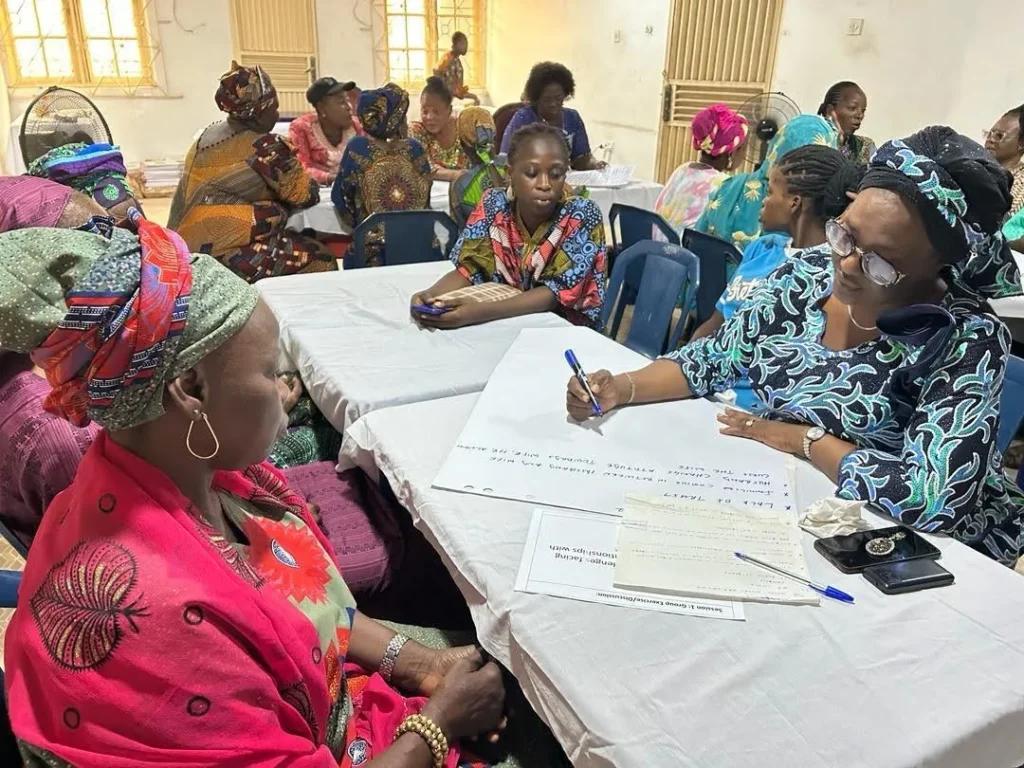
For over three decades now, Community Life Project has been training and supporting grassroots women to be independent, enhancing their self-esteem, and enabling them to lead advocacy against Gender-Based Violence (GBV) and take action against different forms of gender inequalities and other challenges facing women at the grassroots level. To mark 2024 International Women’s Day, CLP hosted the grassroots women to discuss the challenges facing women in relationships, the factors responsible for these challenges, and the solutions to solve identified challenges. The dialogue, which had 30 women in attendance whom CLP had been working with since over two decades included members of grassroots organisations, including the Nigerian Association of Hairdressers and Cosmetologists (NASHCO), Nigerian Union of Tailors (NUT) Community Development Association (CDA), Association of Tie & Dye, Association of Hat Makers, petty traders, CDA soap makers, pepper grinders, and representatives of the Iyaloja of Aswani Market. Celine Osukwu, CLP programme officer, explained that what inspired CLP to hold this dialogue on IWD was the plethora of reports CLP received about domestic violence against women in their relationships, leading to grievous harm to the victim and sometimes even death. These reports were received from leaders of grassroots groups that are partners of CLP in Lagos state. She said victims are mostly women and girls in families and communities as a result of male chauvinism and domination; adding that there is an urgent need to support grassroots women to overcome the challenges and find solutions.  The women shared heart-wrenching experiences of challenges they face in their relationships and, worst still, from their intimate partners. One of the participants, Mrs. Mary Matanmi, shared a story of a young lady who faced financial abuse and abandonment by her husband. As a result, she became traumatised and battled with depression leading to other health issues until her elder sister accommodated her and took care of her. Despite this situation, the family members insisted that she should go back to her husband but the elder sister declined, noting that it is better to be alive than to stay in an unhealthy marriage. The major challenges the participants highlighted that women face in relationships include infidelity leading to polygamous homes, financial problems, lack of trust and insecurity, unstable relationships, financial problems, and lack of respect, sudden change of character in marriages, hot tempers, interference from in-laws, husbands exhibiting abusive behaviour, husbands not providing for the family, young widows training children without support from the husband’s family, abandonment of women with children, men not allowing women to work, pressure on women to conceive and bear more children, lack of income for full-time housewives, and instances of abuse within marriages such as cursing, beating, and rape. The solutions identified in the brainstorming include expressing voice and speaking out, ensuring equitable property rights, financial independence for women,  socialising the boy and the girl child to take responsibility, greater assertiveness and leadership role for women in relationships. “I have been active in giving counselling services to newly married couples and relatively old couples, and over the years, the CLP has offered empowerment training to grassroots communities. We boost their knowledge of rights and respect for one another, build self-confidence in individuals, and constantly give material support to individuals and families, to help them boost their income for independent living. We also carry out sensitisation workshops on GBV to faith-based and artisan groups and also partner with other civil society organisations and agencies in campaign activities, advocating for laws to eliminate GBV in Nigeria,” she noted. She, however, concluded that the objective of organising the workshop was to create an avenue where grassroots women come together to share their challenges without fear or intimidation, raise questions, learn from other women’s experiences, and adapt to the suggested solutions. Deaconess Oyewole Oyewumi, Isolo Local Government Chairperson of Lagos State Council of Tradesmen and Artisans (LASCOTA) expressed her happiness over the workshop, affirming that CLP has saved many lives from domestic violence and has conserved many marriages from disruption. Through the training and capacity building she received from CLP, she has been utilising the knowledge to overcome any problem before her in her relationship and she has served as encouragement for other women to be self-reliant. She enlightened women on how to relate with their husbands and children and she also goes to schools to train students against GBV. “We train women in our organisation. We should be close to women. This kind of program should be organised from time to time because many women don’t know their rights and that is why they see domestic violence as a normal thing. Lack of money from the husband can make a woman disrespect women and can lead to domestic violence,” she said. Mrs. Mary Matanmi, a State leader in Lagos State for the Nigerian Association of Hairdressers and Cosmetologists (NASHCO) also expressed her satisfaction over the issue, noting that she gained boldness and self-esteem to be able to face all obstacles over 20 years now she has been learning from CLP initiatives. She added that they encourage themselves in their organisation and invite people to train them on how to be independent. “We should take bold steps and learn how to speak out. I gained courage from CLP over 20 years ago when we were trained on self-esteem. In our association, we have started training our members to speak out if they are experiencing domestic violence in their marriage because CLP’s door is open 24/7 to settle issues in marriage. Many people will carry their problems to me and I would use the knowledge I have gained from CLP over the years to settle them amicably. Some cannot voice out and this CLP program made me live long and I have also saved the lives of many people by utilizing the knowledge I have gained so far,” she explained. The participants are committed to going back to their community to begin to address these issues of GBV against women in their respective associations and communities. The initiative held